
Why EVEBRA
A natural way forward, on your terms.
EVEBRA is an at-home breast enlargement device developed by Dr. Roger Khouri. It uses gentle, sustained vacuum tension over months for women seeking a non-surgical, implant-free option.
About 12 hours of daily wear · 4–6 month recommended protocol · Individual results vary

The expertise behind the method
A surgeon’s work led to a different option.
Dr. Roger Khouri developed EVEBRA after pioneering external breast tissue expansion with BRAVA. The published research studied that earlier system and the method behind it.

Developed from a researched method
More than a quick swell.
In Dr. Khouri’s 2000 study of an earlier external expansion system, MRI was used to assess tissue change after a sustained-wear protocol. That study informs EVEBRA’s design; it does not establish a measured result for every EVEBRA user.
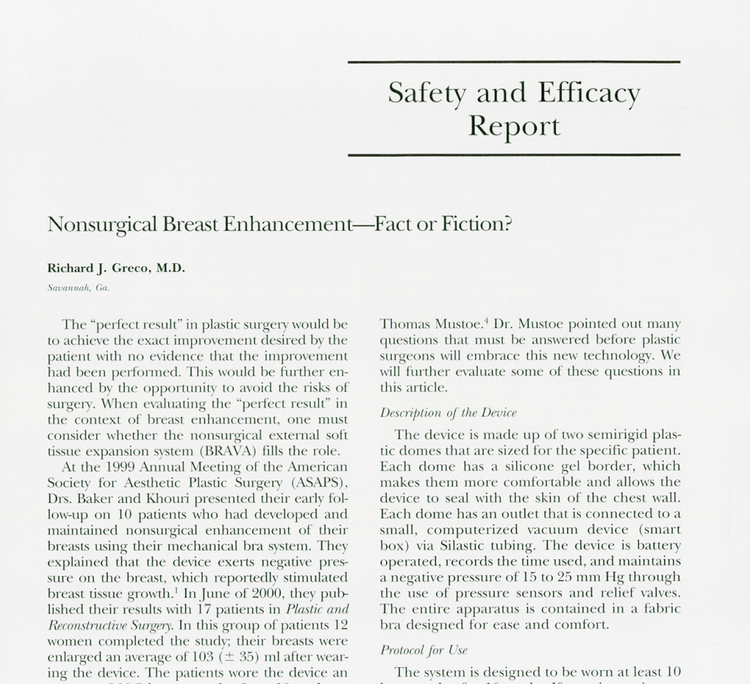
Research and commentary on BRAVA, the earlier system, remain available to read in context.
What makes EVEBRA different
The way tension is applied matters.
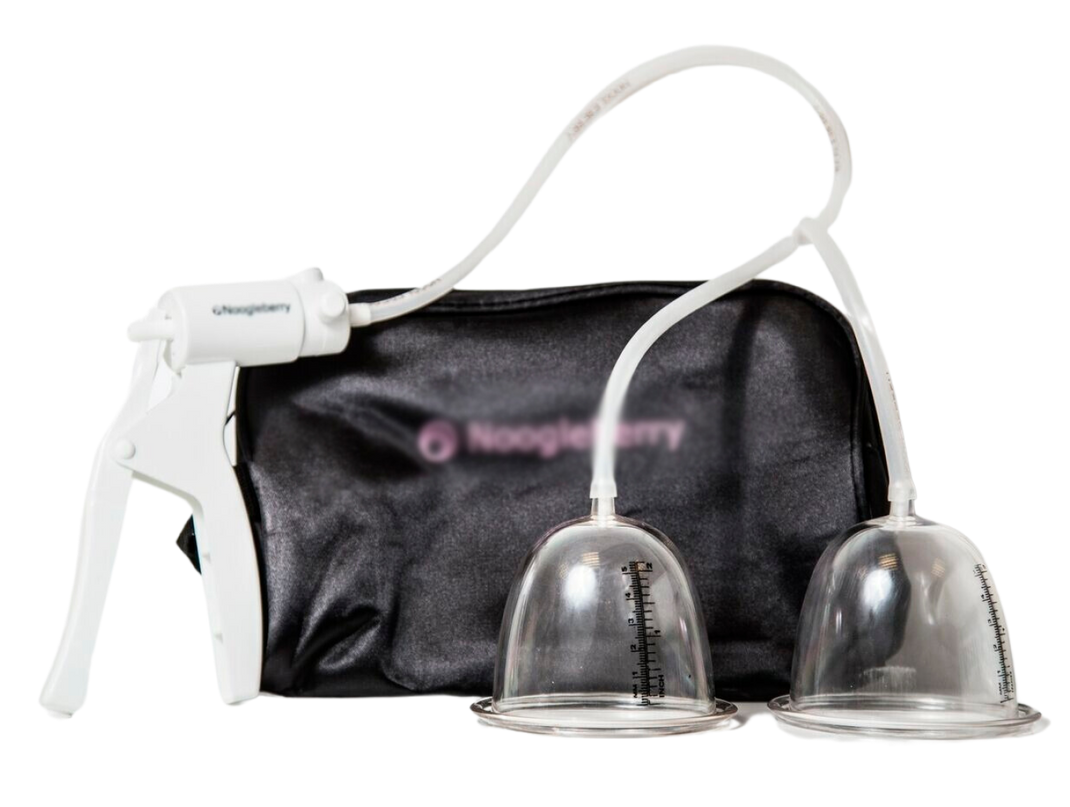
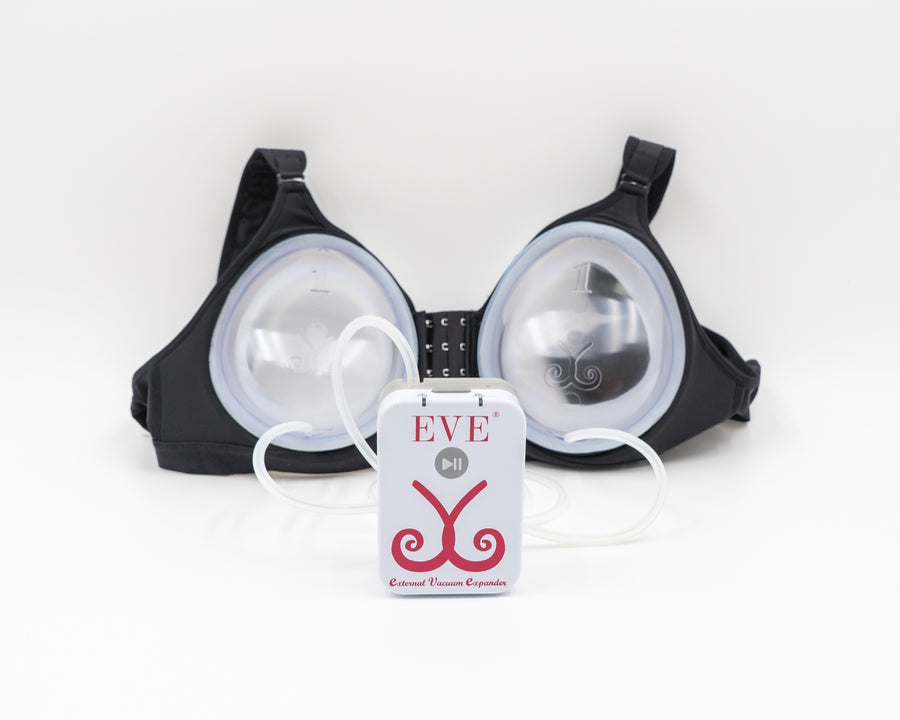
A brief hand-pump session and a regulated, many-hour wear routine are different approaches. The original page’s five comparison points are below.
01 Consistent pressure+
Hand-operated pumps rely on repeated manual suction. EVEBRA’s regulated controller is designed to maintain lower-level tension over many hours of wear, following the sustained-expansion approach described in earlier research.
02 Pressure and skin care+
Pressure control, correct fit and skin care matter with any vacuum device. Follow EVEBRA’s instructions and stop use if the device causes pain or skin injury. A comparison image alone cannot establish another product’s safety features.
03 Materials and fit+
EVEBRA uses a soft silicone rim, clear domes and an adjustable bra to support a seal for extended wear. Anyone with a known silicone allergy should not use the device. Fit guidance is available before ordering.
04 Temporary fullness versus tissue change+
Short vacuum sessions can cause visible fluid-related fullness that fades. EVEBRA’s recommended months-long routine aims for gradual tissue response. Individual outcomes vary, and a brief change in appearance is not proof of lasting growth.
05 Evidence behind the approach+
Published studies evaluated BRAVA and other earlier external expansion protocols. They provide a research foundation for the method behind EVEBRA, while the results should not be presented as a clinical trial of today’s device.
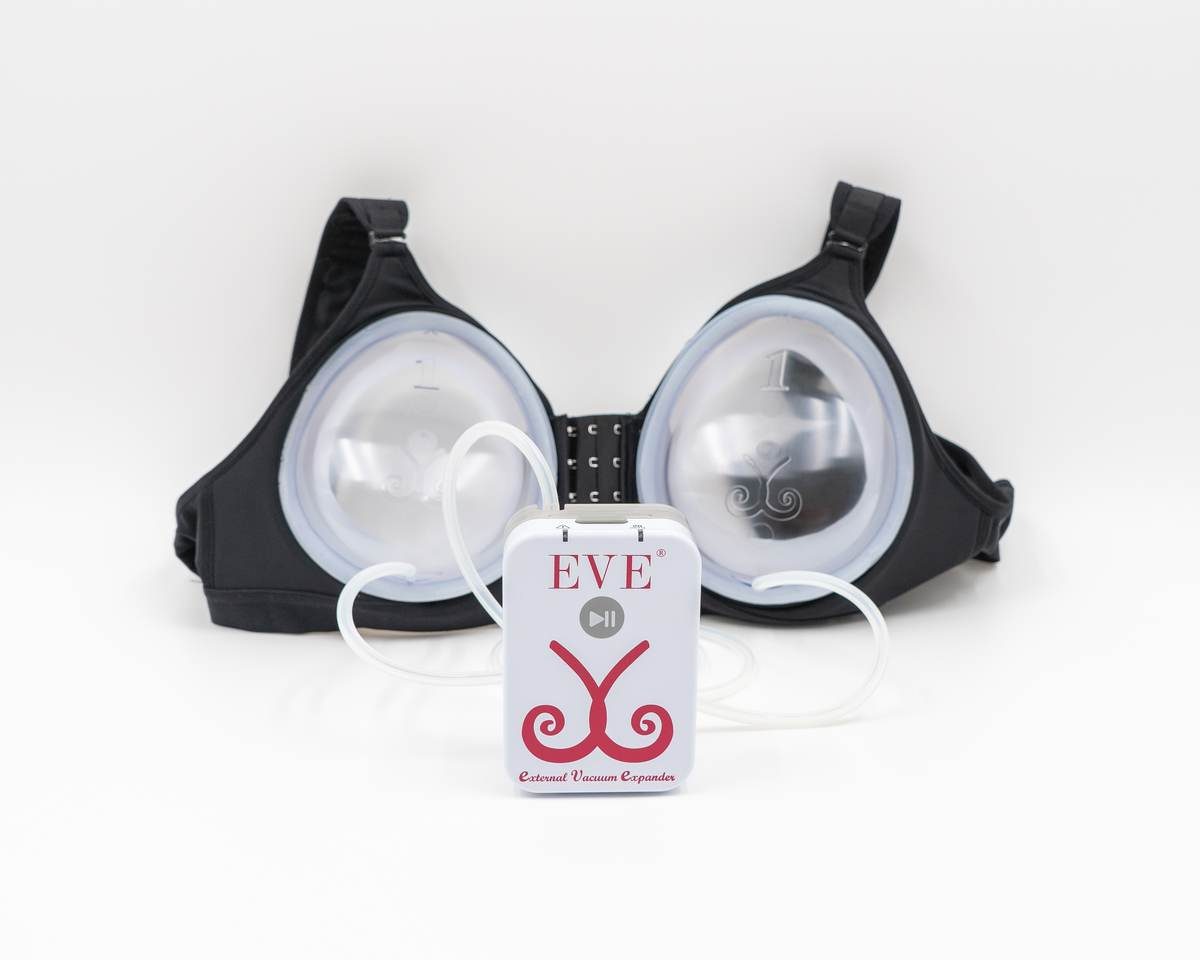
Built for the everyday routine
A wearable system, not a hand pump.
The adjustable bra, clear domes, soft silicone rims and regulated controller work together to maintain a seal and gentle tension during extended wear. The setup takes practice; the device should feel secure without pain.
The original EVEBRA illustration
See the principle behind the system.
This diagram shows outward tension on tissue within a dome. It illustrates the method; it is not a forecast of any individual result.
Explore the full explanation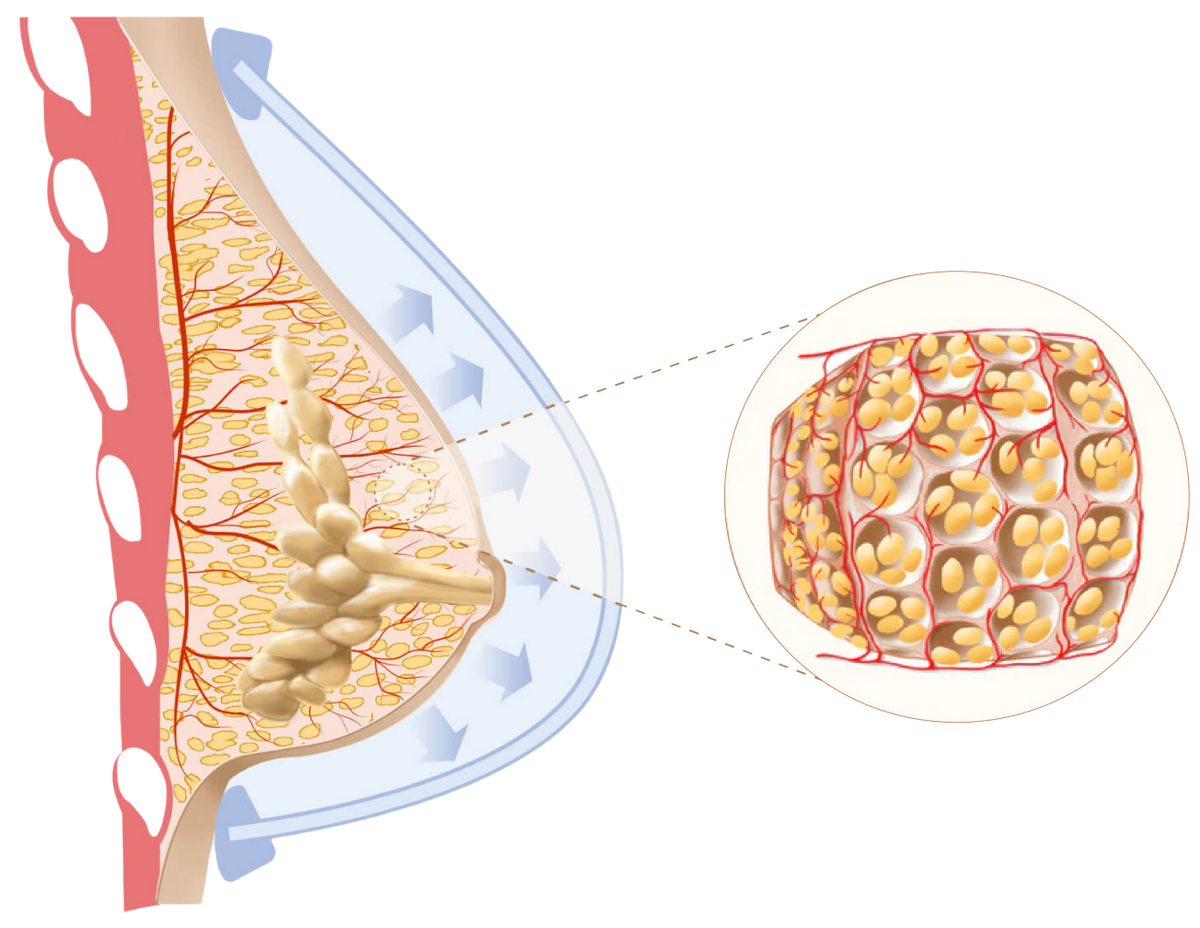
Results in context
Look closely at the evidence and the expectations.
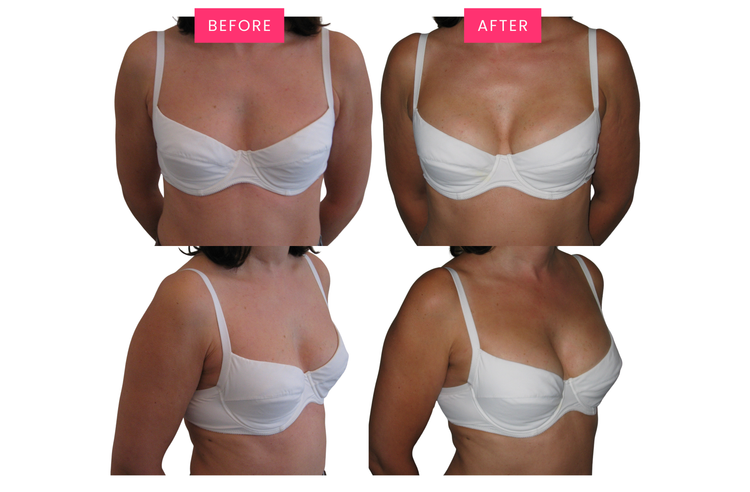
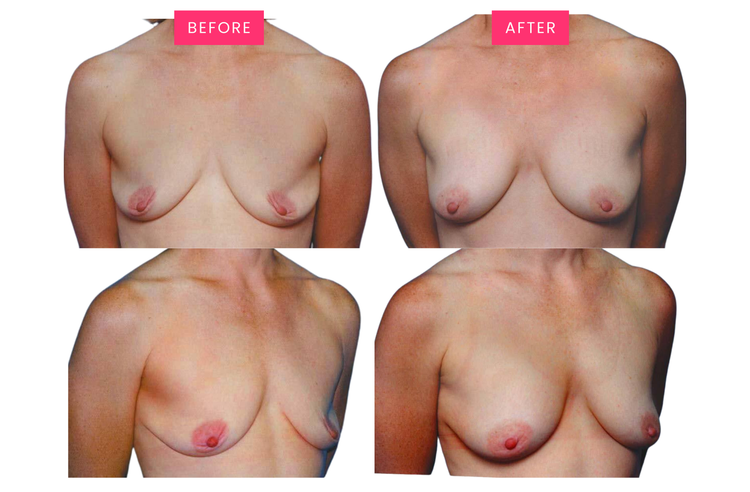
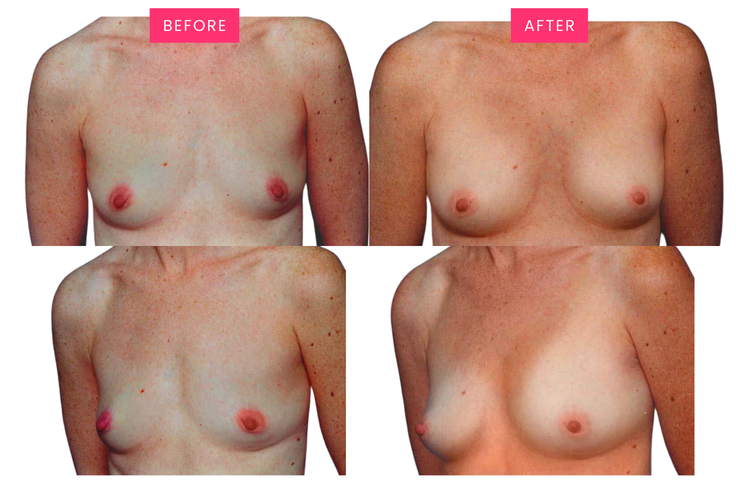
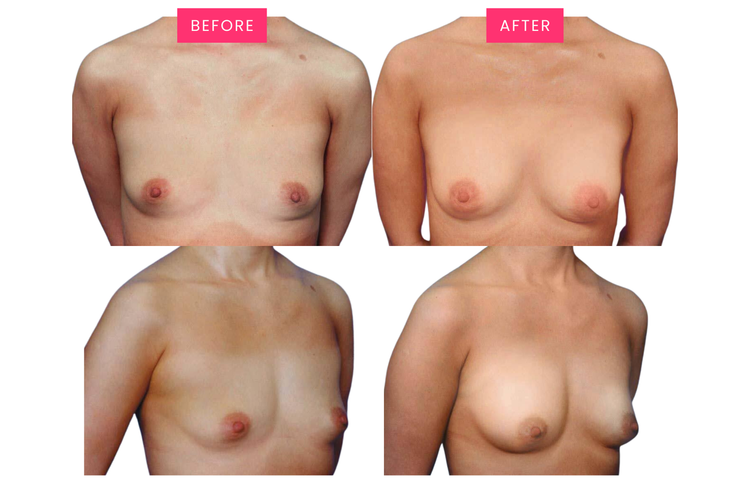
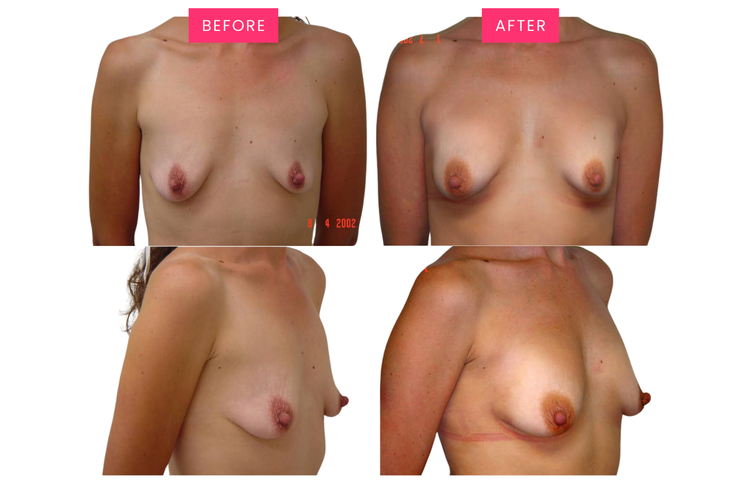
The original page’s five-photo results gallery is available after you choose to view the clinical images. Photos show individual outcomes; they cannot predict yours.
An implant-free choice
You can consider a path without an implant.
Some women explore EVEBRA because they do not want surgery or an implant. The FDA has received reports of systemic symptoms that some patients call breast implant illness; it says the cause and the degree of association with implants remain unclear. EVEBRA has no implant, but its fit, skin care and suitability still matter.
Learn about the FDA’s discussion of reported symptoms and Breastcancer.org’s overview. For personal medical questions, speak with a qualified clinician.
Ready to look closer?
Choose with the full picture.
Explore candidacy, the daily routine and current product details before ordering.
$1,799 $2,499
Save $700 with code FALL700 and get a free pump carrying bag with your device. Ends October 31 at 11:59 pm ET.
View EVEBRA with FALL700