

The option most women have never heard of
You can enlarge your breasts without surgery.
A plastic surgeon invented a way to grow your own breast tissue at home. No implants, no operation, no hormones. More than 100,000 women have already chosen it. Here's how it works.
- Invented by a plastic surgeon
- Breast growth shown on MRI
- Worn at home
BRAVA, the original EVEBRA, as seen in


The two choices you've been given
Most women think it's surgery or nothing.
If you want fuller breasts, you've probably been shown two paths. Neither one feels right.
Path one
Implants or fat transfer
Surgery, anesthesia and weeks of recovery. The FDA says implants aren't lifetime devices, and some complications mean more surgery later.
- Surgery
- Anesthesia
- Weeks of recovery
Path two
Pills, creams and patches
Easy to buy and easy to try. But there's no credible human evidence that any of them makes breasts bigger.
- No credible human evidence
Path three
There's a third way.
Your body can grow its own breast tissue, slowly and at home, without anything put inside you.
- No surgery
- No implants
- No hormones
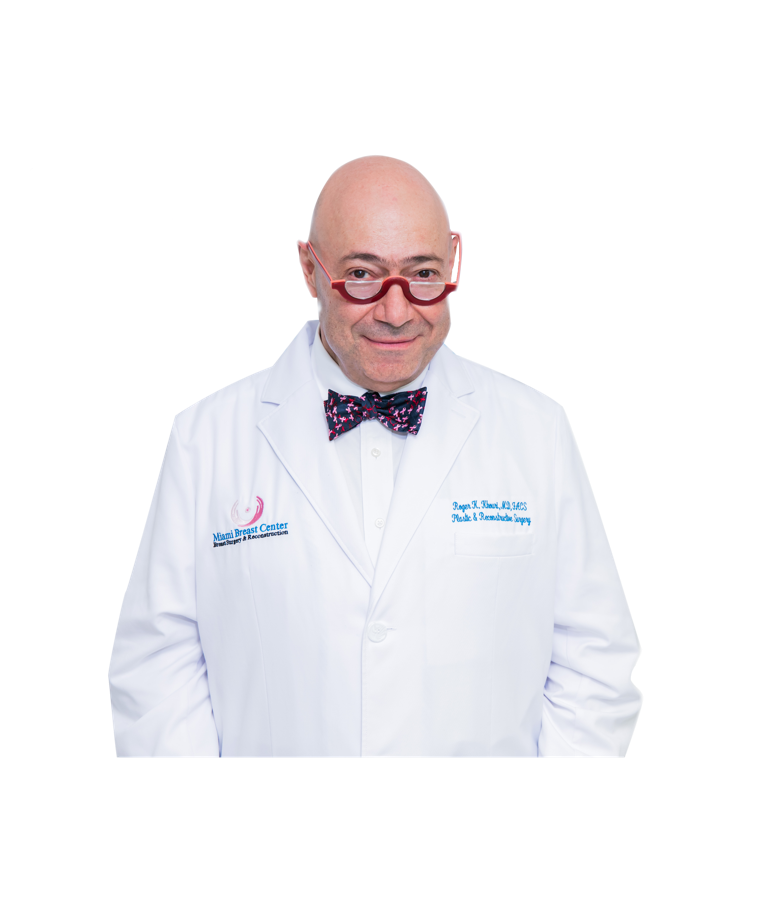
- 40+ years in practice
- 150+ publications
- Founder, Miami Breast Center
Why you haven't heard of it
Why has no one told women about this?
Because it came from a plastic surgeon, not a beauty brand. Dr. Roger Khouri pioneered a way to grow breast tissue with gentle, steady suction. Surgeons used his method alongside breast surgery, and it was first sold as BRAVA.
EVEBRA is BRAVA, redesigned and rebranded so women can use it on their own at home, with a soft silicone rim, an adjustable bra and a pressure-regulated pump.
And there's a simple reason it never became famous:
When there's no surgery, there's no surgery to sell.
- 1999Dr. Khouri invents BRAVA
- 2000First study published in Plastic and Reconstructive Surgery
- TodayRedesigned and rebranded as EVEBRA, for use at home
How it works
How can suction make breasts bigger?
Your body grows new tissue when it's gently stretched for long enough. Plastic surgeons have used this for decades to grow skin and tissue for reconstruction. EVEBRA uses the same principle for your breasts.
-
 1
Gentle suction
Two clear domes sit over your breasts inside a soft bra. A small pump keeps a gentle, steady suction.
-
 2
A steady stretch
Worn about 12 hours a day, most often overnight, the domes gently stretch the breasts.
-
 3
New breast tissue
Over months, that steady stretch encourages your body to grow more of its own breast tissue.
Illustrations of the biological process. Not a picture of an individual result.
Not a pump
This isn't a quick pump.
A short burst of strong suction pulls fluid into the breast, and that swelling fades after the session. That's why cheap pumps don't last.
EVEBRA works the other way: low, gentle tension held for hours, every day. That steady signal is what tells your body to grow tissue.
The proof
Real breast tissue, not swelling.
Dr. Khouri published his research in Plastic and Reconstructive Surgery, the journal of the American Society of Plastic Surgeons, and measured the results with MRI.
In the first published study, every woman who completed the 10-week program had larger breasts. No adverse events were recorded.
Scans showed growth in real breast tissue, both fat and glandular tissue, not fluid or swelling.
In a larger study across multiple medical centers, women who completed the program gained an average of about 108 mL per breast, roughly one cup size.
More than 100,000 women have chosen this method instead of surgery.
Why it's different
You've seen the scams. Here's why this isn't one.
Pills & creams
Nothing you swallow or rub on your skin has been shown to build breast tissue in people.
Cheap pumps
Short, strong sessions create swelling that fades. Lasting growth from them hasn't been shown.
EVEBRA
- Invented by a plastic surgeon
- Breast growth shown on MRI
- Published in a medical journal
Women who chose it
Stories about showing up, not shortcuts
“It actually worked! I’ve grown my own new breasts and I love them.”
“If you want that fake Pamela Anderson look, this isn’t the right thing. I’m never going to have surgery, and I got a half-cup growth. How can you be disappointed?”
“The reason I chose to do EVEBRA was because I had lost 30 lbs and my breasts appeared to deflate. I wanted to avoid surgery and find a more holistic approach.”
Individual results. Not typical of all users. Outcomes depend on consistent use and vary by individual.
What it asks of you
It takes time. That's how real tissue grows.
-
About 12 hours a dayMost women wear it overnight, so the hours add up while they sleep.
-
For 4 to 6 monthsChange builds gradually. Wearing it consistently matters most.
-
Fits a 30-inch underbust and upFour dome sizes come in the kit.
-
Not for everyoneNot suitable if you're pregnant or breastfeeding, have implants, a silicone allergy or certain medical conditions.
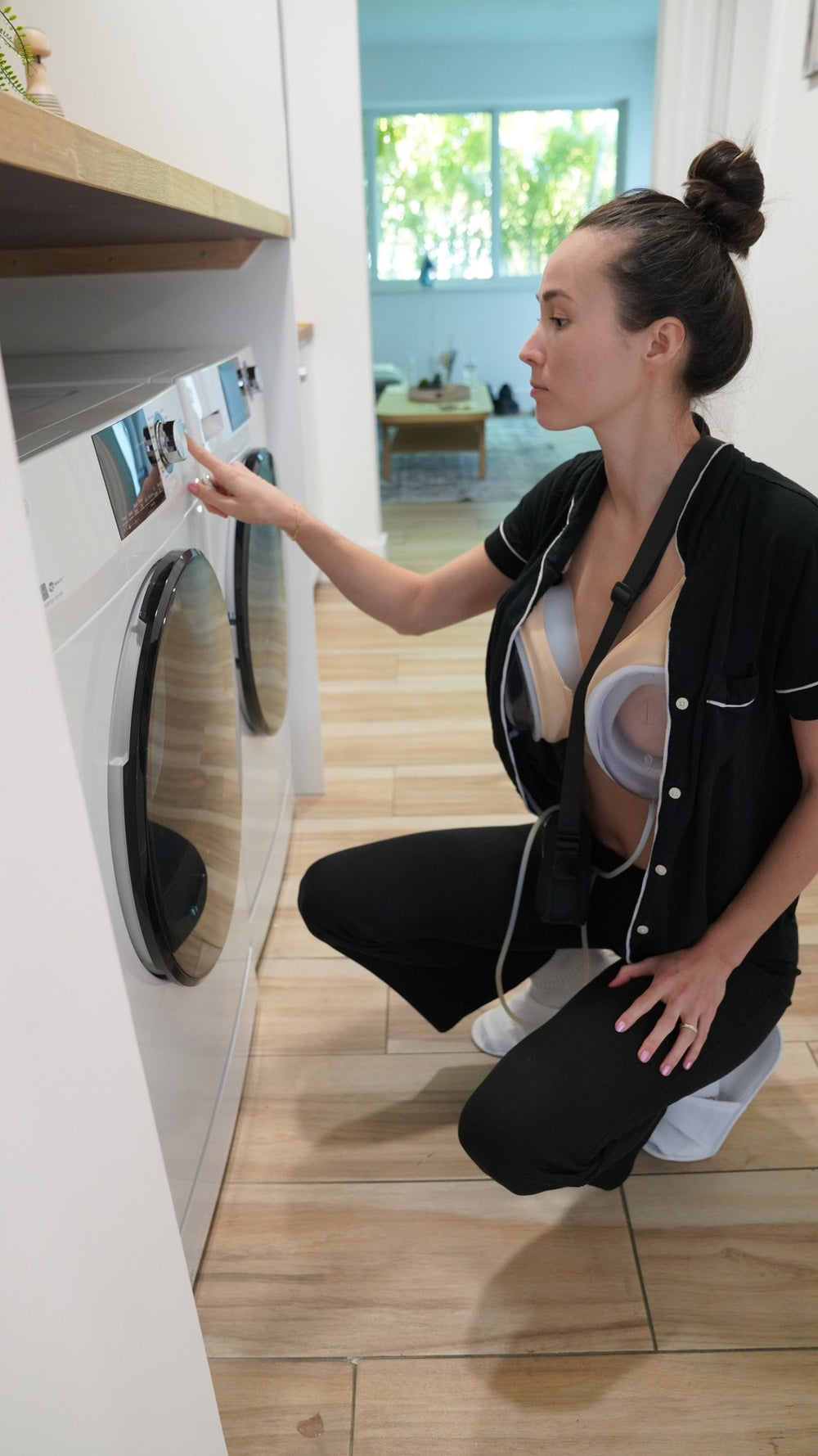 Worn at home
Questions
What women ask before they start.
Will my breasts shrink back when I stop?
Some of the early fullness is swelling, and that part fades. The growth that stays is real breast tissue. In Dr. Khouri's research, MRI scans showed new fat and glandular tissue, not fluid, and real tissue tends to stay after you stop wearing the device.
How soon will I see a change?
Fullness can show up in the first weeks, and early on some of it is swelling. Real tissue builds more slowly, which is why the program runs 4 to 6 months. In the first published study, every woman who finished the 10-week program had larger breasts.
Does it hurt? Can I really sleep in it?
You'll feel it, and the first few nights take some getting used to. The suction is gentle and the pump keeps it steady, so it's a light pull, not a hard one. Most women wear it overnight, and the EVEBRA team will help you with fit and seal.
Is it safe?
There's no surgery, no anesthesia and nothing put inside your body. In the first published study, no adverse events were recorded. In BRAVA's first four years in the US, 7,689 women registered their device. One case of breast cancer was reported, and it was judged to have been there before she started. EVEBRA isn't suitable if you're pregnant or breastfeeding, have implants, a silicone allergy or certain medical conditions. If you have a medical condition, ask your doctor first.
How much does it cost, and can I pay over time?
EVEBRA is a one-time purchase. The regular price is $2,499, and through November 30 the code BF800 brings the complete device to $1,699. At checkout, Shop Pay may offer four interest-free payments, depending on eligibility.
Is EVEBRA the same as BRAVA?
Yes. EVEBRA is BRAVA, redesigned and rebranded for wearing at home, with a soft silicone rim, an adjustable bra and a pressure-regulated pump. The research on BRAVA is the research behind EVEBRA.
Now you know
See if EVEBRA is right for you.
See what's in the kit, how the routine works and what women say after wearing it.
Early Black Friday
$2,499 $1,699 with code BF800